
Hakurat Al Bireh Cooperative
Palestine
Cultural Policies,Education,Cultural Heritage,Environment,Knowledge Production and Research,Archiving
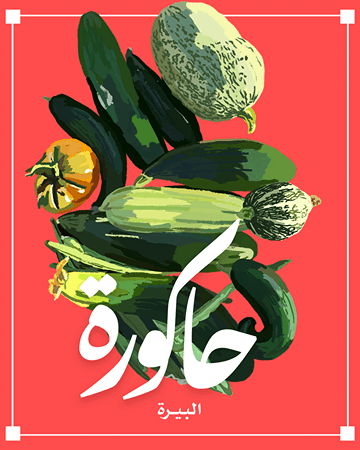
Hakurat Al Bireh Cooperative is an agricultural and cultural movement led by a group of women from Al-Bireh, seeking to enhance women’s roles in their community, support the idea of food sovereignty, and provide organic food for their families through organic farming, ultimately reclaiming food production in Al-Bireh’s empty lands.
Grantee
Mawred's 20th Anniversary
Reclaiming Our Commons: A Proposal for Cultural Collaboration Across the Arab Region
2024
Hakurat al Bireh Community Farm
Hakurat al Bireh Community Farm is an agricultural and cultural movement that began in October 2023, aiming to achieve food sovereignty in the city of Al-Bireh, Palestine, through organic farming and to reclaim food production in Al-Bireh’s empty lands. By the end of December 2023, the cooperative had cultivated five backyard plots. The culmination of this movement was establishing a community farm spanning 5 dunams of land, generously granted to them by the Al-Bireh diaspora, to establish a communal organic farm in the city. This project is led by a group of women from Al-Bireh, seeking to enhance women’s roles in their community, support the idea of food sovereignty, and provide organic food for their families. Their goal is to achieve self-sufficiency and income by the second agricultural season. The group is committed to cultivating the farm for at least 6 to 8 years, with the hope that the project will continue indefinitely and serve as a model for food production and daily life practices in Palestinian cities and a space for reimagining and rebuilding their relationship with public and private institutions regarding sustainable local production.
Leave A Comment