Culture Resource is pleased to announce the grantees of the 2026 round of the Production Awards, which aims to promote and encourage a new generation of artists and writers from the Arab region by supporting their first creative projects in cinema, literature, music, performing arts, and visual arts.
The program team received 548 applications, of which the jury selected 29 based on the following criteria: the project’s quality, originality, relevance to the social and political context, feasibility, and budget practicability, while also taking into account the beneficiaries’ geographic diversity.
The selected grantees are distributed across the region as follows: Egypt (3), Syria (4), Lebanon (3), Palestine (4), Yemen (1), Oman (1), Iraq (2), Morocco (2), Tunisia (6), Algeria (1), and Sudan (2).
Cinema
Alayham Ali, Syria / Film director
Post-production of “After Three Years of Green” (working title), a full-length documentary
Amid the ruins of a fractured city, two filmmakers, Alayham Ali and Amr Alshashou, navigate questions of family, identity, belonging, and the body in a journey woven with love, confessions, and confrontation.
Ibrahim Ahmed (Snoopy), Sudan / Film director
Production of “Where Do I Belong?”, a full-length documentary
When a filmmaker who was exiled returns to war-torn Sudan in an attempt to reunite with his trapped parents, he confronts a lifetime of displacement, belonging, and the generational cost of migration that has defined his family for decades.
Mahmoud Ibrahim, Egypt / Film director
Production of “Kafr El Dawar – Athens”, a short narrative film
In Kafr El Dawar, a forgotten industrial city on Egypt’s edge, Ahmed prepares to risk everything for a new life in Greece, while Gamal, his older brother, clings to him and to a past that is rapidly vanishing with their hometown.
Samia Dzair, Algeria / Film director
Production and Post-production of “Threads of Exile”, an experimental hybrid animated film
The film follows the artist’s family journey from Algeria to France, examining how migration reshapes craft and identity, while contributing to the creation of a living archive of memory and ancestral knowledge.
Sarah Zeryab, Palestine / Film director
Post-production of “Notes on Camp” (working title), an experimental film
An essay film that traces interweaving notions of return, which unfold through a series of vignettes: A return to a refugee camp, a return to revolutionary memory, a return of the dead.
Jury
Halah Alabdalla, Syria / Director, producer, and trainer
Mohamed Ismail Louati, Tunisia / Filmmaker, visual artist, and writer
Mostafa Youssef, Egypt / Director and producer
“I would like to thank all applicants. Whether their works were personal or social, poetic or political, each reflected a steady commitment to bringing their projects to life. Reviewing the submissions confirmed the vitality and diversity of artistic production in times of uncertainty, within a region witnessing both internal and external pressures, where cinema continues to serve as a vessel for dreams and a form of resistance.
A significant number of the submitted projects revisited the past and sought to reinterpret it, while others focused on family and personal relationships, as though the current regional and global upheavals are pushing toward a more contemplative approach, sometimes used as a shield for self-affirmation, and at other times as a way to rethink identity and rewrite contemporary history.
Despite the overall good quality of the submitted applications, I would like to briefly note two issues: the use of artificial intelligence in certain cases, and the failure to adhere to the application guidelines.”
– Mohamed Ismail Louati
“While reviewing the submitted projects, I encountered works that carry deep human honesty, placing characters on clear paths that reveal their psychological and dramatic transformations, and offering viewers the opportunity to step into their worlds and engage personally with what might otherwise pass before us as headlines. In the most compelling submissions, I observed the ability to transform individual experience into a collective testimony, and to craft a sincere visual language rooted in a genuine relationship with the community and the characters, rather than in a mere desire to create a visual “mood”. The story is what truly makes the difference: when it moves beyond abstract meanings and symbols to become a tangible human journey, unfolding through actions and situations that reveal these meanings through details and lived experience. Stories are what give films their lasting impact and make them memorable, as they confront us with genuine human experiences.
Many of the funding opportunities, which can create a false sense of power, also contribute to unhealthy competition among filmmakers. Given the scarcity of resources available to support deserving projects, we based our selections on the submitted texts and screenplays. This compelled us to choose the works that were most artistically ambitious, most honest, and most impactful. Ultimately, good films will find their way, and true filmmakers will come together to create films, with or without grants, because for them, cinema is a necessity, not a luxury.”
– Mostafa Youssef
Literature
Ahmed Nageeb, Egypt / Writer
“My father doesn’t smile”, an autobiography
A self-reflective literary work that explores manhood through the inherited silence between fathers and sons, blending confession with sarcasm. The project redefines masculinity as both fragile and brave, showing how men face love and fear with denial and isolation, as extensions of deeply rooted social inheritances.
Amal Alsaeedi, Oman / Writer
“The Cultural History of the Grocery Store”, an autobiography
A reflective long-form text that weaves together autobiography and collective memory in Oman, tracing the transformation of the grocery store from a symbol of consumption into a space of fracture and confession. Through a female body burdened with heritage, and a family grief that stretches from the mountains to the sea, the text shapes a personal Omani history of loss.
Aya Mansour Hasan, Iraq / Writer
“Women of the Long River”, an oral history book
An oral history project documenting women’s stories from three decades of war in Iraq (1980 to 2010), in their own voices. Dozens of testimonies; each woman has her own war and her way of crossing it. How did she negotiate it, and at what cost?
Karima Ahdad, Morocco / Writer
“The Partridge of the Barren Land”, a novel
The novel follows Dounia and her great-grandmother, Fatima, two women from different eras whose destinies intertwine to reflect the history and struggles of the city of Al Hoceima. It highlights education’s liberating power and women’s strength amid hardship.
Kinda Youssef, Syria / Writer
“The Adventure of Ward” (working title), an illustrated poetic story
An eleven-chapter illustrated poetic tale that follows Ward, a brave young girl who encounters the mythical Phoenix one night. Together, they embark on a magical journey to save her dying forest and confront the mysterious ogress hiding in a cave at the top of the mountain, after she has stolen the forest’s spirit and the voices of its creatures.
Shahad Mohammed Qays, Iraq / Writer
“Was a Conscript: Stories of Mandatory Military Service in Syria (2011–2024)”, a journalistic and documentary literature book
This book documents the impact of compulsory military service in Syria as a collective experience that reshaped the lives of an entire generation of young men and their families, blending journalistic testimonies from former conscripts in the Syrian army with a literary narrative approach.
Jury
Asmaa Azaizeh, Palestine / Poet, writer, and editor
Hammour Ziada, Sudan / Novelist
Jokha Alharthi, Oman / Writer and academic
“My participation in evaluating the applications submitted under the Literature category offered a rare glimpse into the emerging literary and poetic voices of the Arab region. Amid their richness and diversity, one feels compelled to do justice to the writing scene even as it remains fragmented into smaller worlds across homelands and harsh exiles. The writers displayed passionate and wide-ranging concerns, expressed not only through forms and literary genres but also through themes and areas of inquiry often rooted in personal experiences and lived practices. What particularly struck me was that most of the projects were directly or indirectly connected to the political and human realities of Arab societies. Many of the projects succeeded in raising broader questions about wars, displacement, and the forms of oppression inflicted upon individuals, their heritage, language, and dreams. After careful reading and extensive discussions, the projects that earned praise and encouragement were those whose creators presented themselves and their projects with care and precision, while demonstrating deep engagement with every element of the project in ways that served the central idea and balanced passion with professionalism.”
– Asmaa Azaizeh
“Each submitted project presented a fragment of a dream for a more beautiful world, one its creators long to share with others. I was honored to have played a part in turning some of those dreams into reality.”
– Hammour Ziada
“As much as I enjoyed exploring the worlds of young creatives in the Arab region, I was equally saddened by the realities that have come to dominate their lives and echo through their writing, notably the prevalence of war, displacement, and fractured identities. Most of the texts, whether in prose or poetry, were marked by a personal impulse and infused with a profound, somber awareness of a troubled reality. To hold fast to creativity during these times is a silent act of defiance: to write is to survive.”
– Jokha Alharthi
Music
Abanoub Fam, Egypt / Performer, singer, and composer
“AL HALA”, a music album
“AL-HALA” is the first release of a new sound developed over three years, described as “Egyptian Alternative Soul” or “Free Genre, Just Sound,” blending Egyptian musical roots with experimental composition. The project stems from artistic research into rhythm, voice, and sonic memory, especially Saidi and Bedouin traditions, reimagined into a futuristic, immersive sound language.
Amal Shamia (Amali), Palestine / Performer, singer, and songwriter
“A Picture That’s Not Mine”, a music album
A music album consisting of ten songs written and sung after the war on Gaza. It explores memory, loss, and love, searching for life and meaning after the ruins, and finding a voice that refuses to disappear.
Khalil Hentati, Tunisia / Sound Artist
“Tuqus”, a cine concert
Tuqus is an immersive cine concert that explores the ritual music of the peoples of the Mediterranean, both religious and non-religious. The project is conceived as an immersive experience to draw audiences into the trance’s structures, symbolism, and understanding of remembrance practices as forms of healing through dance and music.
Ons Boussi, Tunisia / Performer and music composer
“Mima”, a music album
A musical project reviving women’s chants from northwest Tunisia, long absent from archives, blending folk essence, electronic experimentation, and spirituality, turning song into resistance and a testament to women’s enduring strength and their living memory across generations.
Samah Boulmona, Lebanon / Performer, composer, and music producer
“stereoteismo”, a live concert and music album production
The project builds on work initiated in 2022 following a residency in Beirut, which resulted in a full album. It aims to complete its mixing, mastering, and digital release, followed by a live concert in Beirut featuring musicians from Italy and Lebanon.
Souhir Saleh, Syria / Performer, composer, and sound Artist
“Language of the cradle”, a music album
The project documents traditional lullabies sung by mothers to children across cultures. It aims to preserve this oral heritage, highlight its role in building emotional bonds, and explore its impact on shaping identity and collective memory.
Jury
Kinan Azmeh, Syria / Composer, clarinetist, and doctorate of Musical Arts
Mackadi Nahhas, Jordan / Singer and songwriter
Othman Nejmeddine, Morocco / Creative producer and strategic advisor in cultural and music industries
“I was deeply moved while evaluating the submitted projects in the Music category this year, as they allowed me to rediscover the current Arab music scene, which I found increasingly diverse and dynamic. Marked by commitment, boldness, and freedom, these works restored my belief that this part of the world still has the power to offer a glimpse of hope in the heart, despite the succession of defeats and tragedies. I would like to thank all applicants, whether selected or not, for their courage, passion, and commitment.”
– Kinan Azmeh
“I sought to maintain the utmost objectivity and fairness while evaluating the submissions. My review centered on artistic value, creativity, and originality, as well as the significance of each project’s contribution to the musical archive and the cultural scene in the Arab region. It was a rich experience that allowed me to contemplate the diversity and depth of musical practices, while reaffirming the urgent need to support works driven by authentic artistic vision and the potential to advance the field.”
– Mackadi Nahhas
“Serving on the jury allowed me to engage with a rich and evolving music scene, reflecting a clear desire to break away from prevailing patterns and to present original and distinctive voices. The submitted projects explored questions of memory and social transformation through poetic, sensorial, and artistically compelling worlds despite the extremely harsh political and social realities surrounding them. The projects also conveyed profound human experiences shaped by exile, war, and relationships to the land. What also stood out were the contemporary and innovative approaches that sought to reinterpret musical heritage and folk traditions with respect and without distortion. Equally striking was the strong commitment behind these works, as most of them were already in advanced stages, making the selection process particularly difficult. I hope that all the projects, whether selected or not, will come to life, as each carries genuine value and meaningful purpose.”
-Othman Nejmeddine
Performing arts
Abdallah Damra, Palestine / Choreographer
“Factory of All Fabrics”, a multidisciplinary project
This project explores fabric as a material and metaphor, examining the fragility and interconnection of social structures. Through movement and sound, it investigates tensions of memory, belonging, and transformation.
Ahmed Guerfel, Tunisia / Choreographer
«Post…», a contemporary dance performance
A contemporary dance performance exploring the body as an ecological system shaped by invisible cooperation. Inspired by mycelium and bioregion, it reimagines collective growth and the power of communities to build resilient, interdependent networks within constantly shifting social and political contexts.
Ghina Abboud, Lebanon / Theater director
“Souad’s Party”, theater performance
A cinematic, realistic theater performance set in a Damascus home during Assad’s regime, where a tense, comedic evening reveals the secrets and conflicts of young Syrians and a Lebanese woman under the influence of alcohol, transforming the evening into a confrontation with themselves and with one another.
Hussain AlHasan, Syria / Theater director
“In The Ice”, a Multidisciplinary theater performance
The theatre performance revolves around two young people carrying repressed anger. Having lived within cycles of war, conflict, and exile, their art becomes a journey to explore release, as if fire surrounds them, yet they must keep their hearts in the ice.
Jana Ismail, Palestine / Choreographer
“The Land is Dancing too”, a multidisciplinary performance
A contemporary dance performance for children that embodies the struggle of resilience in the face of the storm. It merges live performance with visual video art to express the values of belonging, cooperation, and positive resistance against the force that seeks to uproot one’s foundations.
Moayed El Ghazouani (Moody), Tunisia / Theater director
“Into the deep”, a theater performance
Through the lens of documentary theater, this project artistically revives and preserves the voices, songs, and memories of women who lived through the 2008 Gafsa uprising in Tunisia.
Jury
Anmar Taha, Iraq / Director and choreographer
Moez Mrabet, Tunisia / Actor, theater director, academic, and researcher specializing in acting techniques and performance methodologies; Director General of the Tunisian National Theatre
Nora Amin, Egypt / Theatre director, actress, dancer, choreographer, playwright, novelist, academic researcher in cultural policy
“Evaluating the artistic projects submitted to the Production Awards program is an exceptional opportunity to explore the dreams of young artists and encounter innovative experiences and perspectives that question the realities of our Arab societies with a striking and often compelling creative spirit. Together with the other jury members, we were committed to giving every submitted project the attention it deserved through careful and extensive review, selecting those that demonstrated seriousness and coherence in both concept and proposed aesthetic approach, the strongest connection to social and political contexts from which they emerge, and the most convincing methodology and capacity for implementation. I extend my sincere wishes for continued success to all applicants.”
– Moez Mrabet
“The projects submitted in this round revealed the political awareness lying beneath the imagination of these young artists. Despite political pressures and volatile social and economic conditions, they continue to harness their creativity to confront the realities shaping their lives without compromising aesthetics, innovation, or experimentation. They reminded us that theater is an act of resistance, a means of safeguarding memory and identity, and a path toward healing and reimagining human connection and collective empathy in the face of war, genocide, and destruction. Here lies hope, and here we gather the strength to face tomorrow.”
– Nora Amin
Visual arts
Haroun Al-Sallal, Yemen / Photographer and curator
“My Mother, the Flowers, and Our Story”, an immersive and interactive photographic exhibition
A visual project documenting a divorced mother’s journey raising her son in a society that rejects her independence. Through childhood photographs captured by the photographer’s mother, their shared memory transforms into a story of love, loss, longing, and motherhood as a quiet force of resilience.
Paul Saad, Lebanon / Visual Artist and facilitator of collective artistic production
“Every Door Has Its Key, Every Land Has Its Peasant Farmer (Falah)”, an interactive multimedia art exhibition
An interactive multimedia art exhibition in which participants collectively weave a textile map of the stories of farmers in the Levant, those who resist and persist in caring for life and its narratives. Through hands-on engagement, they stitch onto a scented textile surface, contributing to a shared sensory and visual experience. The exhibition fosters the transmission of knowledge from farmer to apprentice while reactivating the longstanding relationship between artistic practice and working the land.
Reda Boudina (RDS), Morocco / Visual artist
“Silent Layers”, an art installation
A sculptural and sound installation exploring urban memory and fragility. Rooted in Meknes, a city marked by silent abandonment, it transforms fragmented cartographies on plexiglass with sound and movement. The work opens a sensory space that reveals the tension between disappearance and transformation in contemporary cities.
Sana Chamakh, Tunisia / Visual Artist
“Scars Archive” (working title), an exhibition and art installation
The project explores scars as embodied memories of exile, displacement, and survival among Tunisian women across generations. Through casting and sculpture, it documents physical and psychological scars, transforming them into collective narratives that reclaim the female body as a site of memory, vulnerability, and resistance.
Waleed Mohammed, Sudan / Visual artist
“What will we return to?”, an illustrated art book
In his art book, Waleed Mohammed reimagines an old photo album as a space for reclaiming memory and rebuilding hope after the war in Sudan, exploring how art can contribute to healing, reconstruction, and shaping a different future.
Zeineb Kaabi, Tunisia / Visual artist
“Tetris of Zliz”, a multidisciplinary project
An interactive extension of the “Tiles of Time” project, which uses artificial intelligence to extract a visual language from the Mediterranean tile archive, focusing on documented samples from Tunisia and Nabeul, and transform it into a large-scale public play experience in an open space. It is accompanied by an interactive approach that enables collective composition, revealing narratives of exile, resilience, and shared Mediterranean heritage.
Jury
Bassam Kahwaji, Lebanon / Artist and university instructor
Ibrahim Ahmed, Egypt / Contemporary artist
Ibtissam Ghazoui, Morocco / Cultural manager, curator, and researcher in cultural policies and cultural management
“I was surprised by the large number of submissions to the 2026 round, reflecting the vitality and courage of artists despite the complex geopolitical realities across the Arab region. At the same time, it highlights the challenges of funding the arts in the region, given the state’s limited role. In this context, the crucial role of Culture Resource in helping bridge this gap becomes especially clear.
The diversity of applicants from different countries and backgrounds offered valuable insights into the rich artistic scene, despite the recurrence of several themes, including identity, displacement, relationships with others and the environment, as well as heritage and political concerns. Many of the projects were committed to placing the human being at the center of their inquiry.”
– Bassam Kahwaji
“This was a particularly exceptional experience, as it allowed me to closely explore the current realities shaping the Arab region, with all their differences and similarities.
Many of the projects resonated strongly with me, and I truly hope they will one day come to life. I was equally moved by the resilience and the spirit of resistance reflected across all projects, especially given the geopolitical realities across the Arab region. Turning trauma and tragedies into creative works that speak directly to the affected communities is deeply inspiring, standing as an act of continuity and steadfastness. I wholeheartedly wish everyone the best and hope they continue to create and contribute to the diversity and richness of our cultural scene.”
-Ibtissam Ghazoui
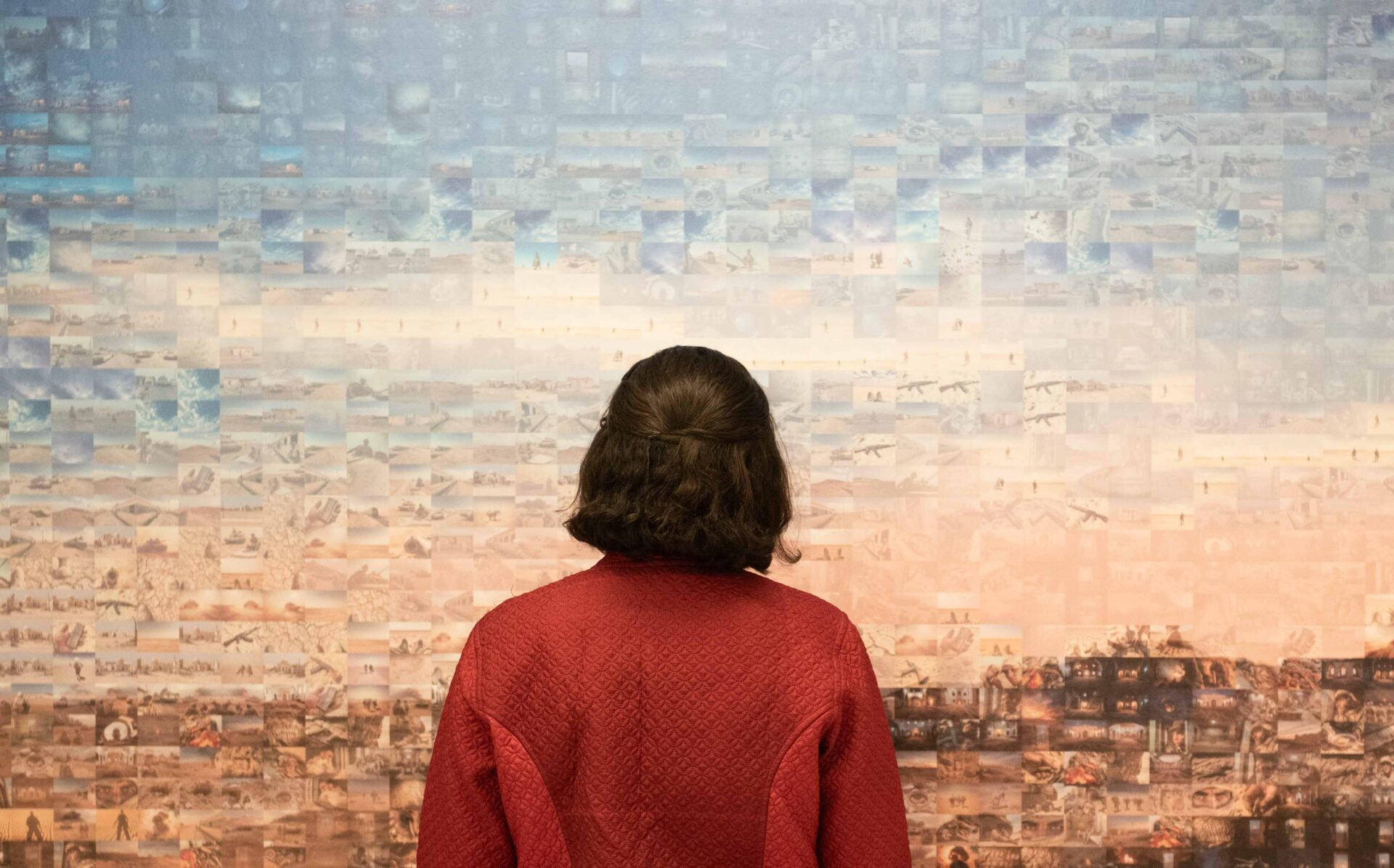
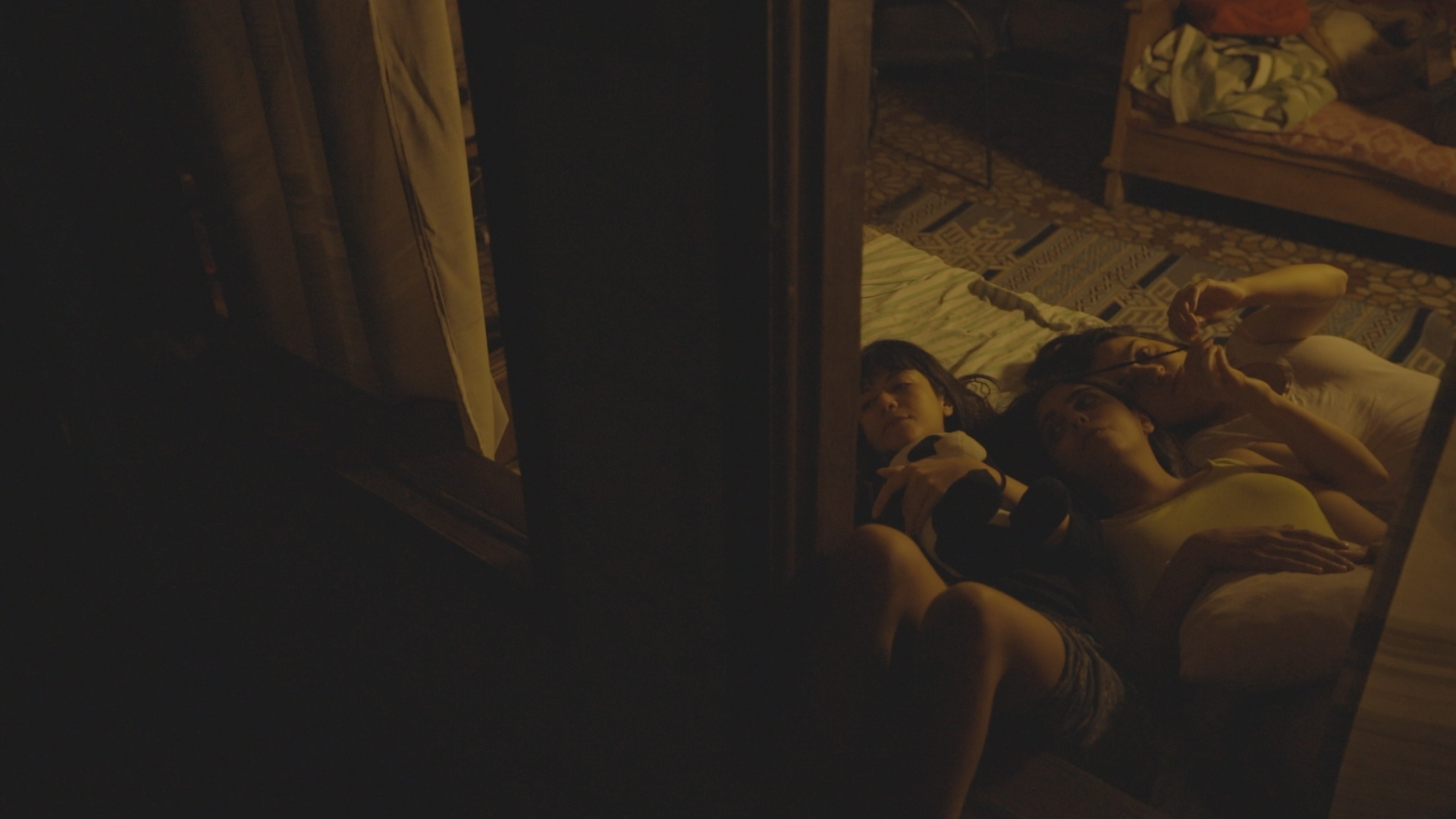
Image from the documentary film “House Number 7” by Rama Abdi (Syria), supported by the Production Awards program 2024.