Culture Resource is pleased to announce the beneficiaries of the eighth round of the Abbara program, which aims to support independent cultural and artistic organizations and initiatives in the Arab region. Launched in 2011, Abbara aims to empower independent cultural organizations and initiatives as key actors in the processes of building cultural sectors relevant to their societies. The program has helped support and empower 76 independent cultural and artistic organizations in the Arab region through the seven rounds it has held since its creation.
This year, Abbara received 222 applications from Egypt, Lebanon, Palestine, Morocco, Tunisia, Syria, Yemen, Jordan, Iraq, Sudan, Algeria, Libya, Comoros Islands, Saudi Arabia, United Arab Emirates, and outside the Arab region (United Kingdom, Germany, France, Belgium, Netherlands, Kenya, and Uganda). After a preliminary screening for applications that were incomplete or failed to meet the eligibility criteria, the Abbara team forwarded 124 applications to the five-member independent jury for evaluation.
The jury met in Beirut on 11-12 September to discuss their evaluations and finalize their selections. Their efforts resulted in a shortlist of 11 organizations, which will take part in Abbara 08.
ABBARA 08 organizations:
Amalgam Studio – Dance Circus Theatre (DCT) (Lebanon)
Fields of activity: cinema / performing arts / visual arts / music / podcast / knowledge production and research
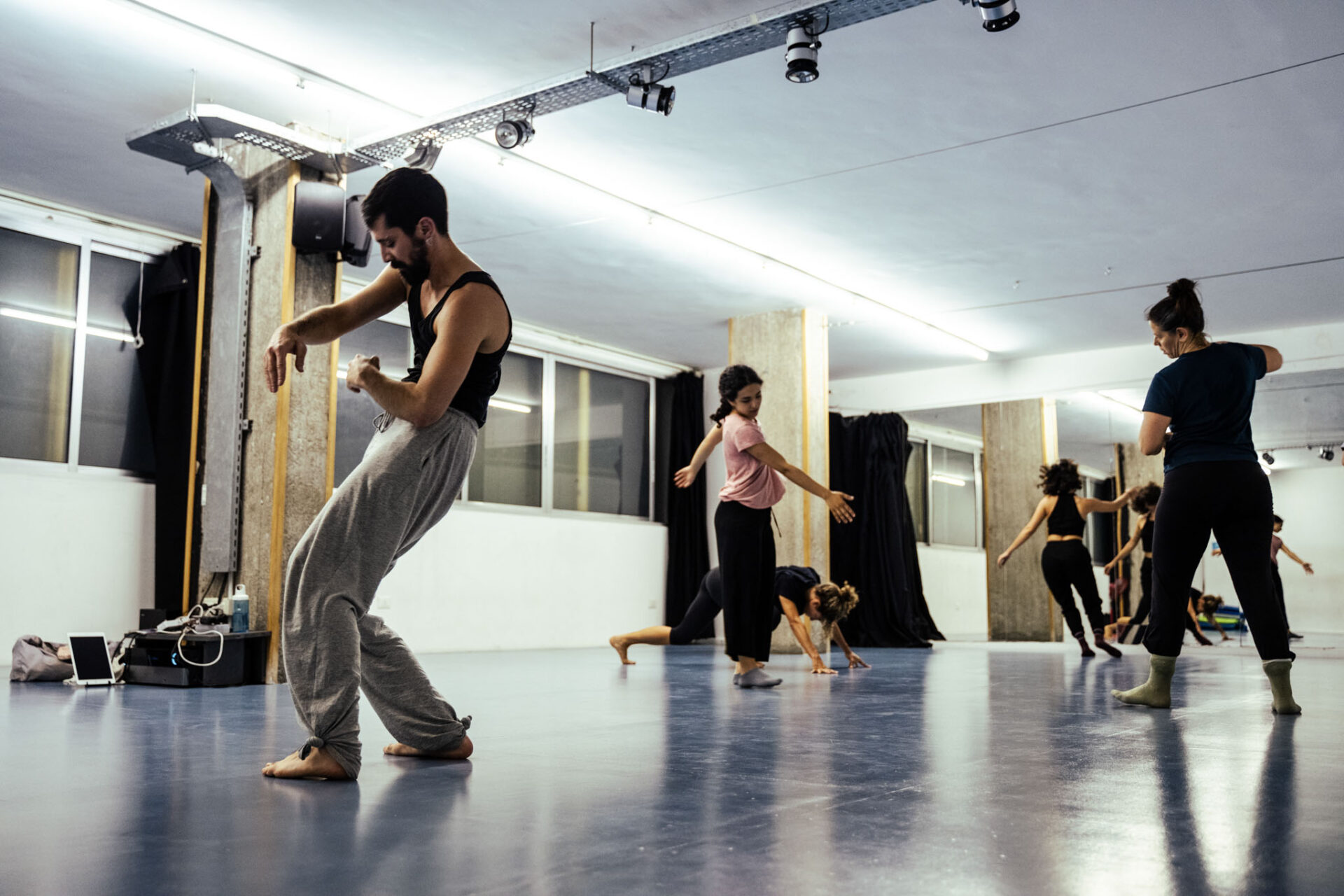
An organization founded in 2015 that supports research and creation in performing arts. Its core team includes Yara Boustany, Rasha Baroud, and Farah Nabulsi. Located in the heart of Beirut, Amalgam Studio has become a dynamic and central hub for the performing arts, focusing primarily on movement, contemporary dance, physical theater, and artistic research.
AMME (The Moroccan Association of Electronic Music) (Morocco)
Fields of activity: music / podcast / cultural heritage
A music organization whose vision stems from the desire to reshape electronic and Amazigh musical practices in Morocco, drawing on the cultural heritage of its founding members, their love for their sound traditions, and their capacity to inspire one another in strengthening social ties within communities. The organization designs and carries out collaborative music projects between artists from electronic and Amazigh scenes, along with popular education workshops for youth, as well as research, sound archiving, documentation, and professional training in sound-related fields.
Damascus Theatre Lab (DTL) (Syria)
Fields of activity: performing arts / publishing / cultural heritage / knowledge production and research
An independent artistic entity founded in 2010 by the dramaturge Oussama Ghanam. The Lab aims to establish a theater based on artistic research into contemporary trends, the intersections of dramaturgy and acting, as well as the current relationship that links theater to social reality. The Lab seeks to create a theatrical structure that can develop activities on two levels: first, to organize workshops with theater and cinema professionals in Syria inspired by contemporary trends in the international theater movement, which will in turn motivate young people to produce their own shows; and second, to focus on professional theatrical productions.
The Fiction Council (Palestine)
Fields of activity: literature / publishing / visual arts / cultural heritage / knowledge production and research
A Palestinian non-profit organization established in Jerusalem in 2015. It began as an initiative and later evolved into a registered official entity, serving as a creative space dedicated to the community, particularly teenagers and youth. The Council’s mission is to document, preserve, and promote Palestinian intangible heritage, while also acting as a creative mediator between the community and its imaginative and mythical heritage, especially in the fields of folktales, ancient legends and beliefs, mythology, and supernatural phenomena. To achieve this, the Council uses a variety of creative means, including visual and performing arts, cultural tours and evenings, as well as various forms of literature and cultural expression, stemming from its belief that imagination is one of the most vital tools for envisioning future change.
Hewar Company for Independent Theater and Performing Arts (Egypt)
Fields of activity: performing arts / cultural management / knowledge production and research
A theater troupe founded in 2005. In 2012, in the wake of the political and social movement momentum in the region, a need arose to establish the company and expand its projects beyond producing theater pieces to “Theater Is A Must”, an independent international theater forum, along with other international collaboration projects.
Mayasem Association for Culture and Arts (Palestine)
Fields of activity: cinema / performing arts / literature / archiving / visual arts / music / cultural management / cultural heritage
An independent, non-profit organization founded in 2021 in Al-Qarara, Gaza Strip. The association is dedicated to reinforcing Palestinian artistic and cultural identity and preserving national heritage from neglect, promoting them both locally and globally. Established by cultural actors and activists, it envisions a society that values its language identity and heritage, providing a space where culture is preserved for all generations.
Mouhit Space (Association Culturelle Espace Créatif) (Tunisia)
Fields of activity: cinema / performing arts / literature / visual arts / music
An independent art space and residency program based in Tunis, established with the aim of supporting artistic experimentation, critical thinking, and peer learning. Founded in response to the lack of sustainable and accessible spaces for emerging and independent artists in Tunisia, the program provides time, space, and resources for research-based practices, interdisciplinary collaborations, and community-driven initiatives. The organization’s mission resides in offering an alternative and inclusive platform where artists can reflect, create, and connect beyond institutional and commercial constraints.
Studio Collective (Palestine)
Fields of activity: performing arts / cultural management
An initiative founded in 2022 by 4 Palestinian dancers and artists, that aims to explore urgent questions relevant to their context through dance as an art medium. It seeks to create an open space for dancers and artists to further experiment and collaborate in an interdisciplinary environment that brings together dance, music, drawing, and other art forms.
Studio 8 (Jordan)
Field of activity: performing arts
A Jordanian non-profit company active in the fields of dance, founded in 2014 by a group of young artists aiming to shape and humanize dance art through innovation, experimentation, development, exchange, education, and research. The organization seeks to increase access to dance and foster opportunities for cultural expression and awareness. It also strives to share the joy of dance with others by creating a space that reflects the diverse communities it serves.
waziz (Egypt)
Disciplines: literature / publishing
A publishing project founded in May 2022 and launched in January 2023. It combines the framework of traditional publishing houses, in terms of sustainability, institutionalization, and the primary focus on book revenues, and the maneuvers of experimental and artistic publishing initiatives in terms of adventure, flexibility, and exploring a distinctive cultural and aesthetic horizon through broad engagement with writers and artists, and utilizing cultural production grants as secondary resources.
Yemen Art Base (YAB) (Yemen)
Fields of activity: cinema / publishing / archiving / visual arts / music / podcast / cultural management
A digital platform founded in 2017, licensed in Sana’a in 2018, and officially launched in January 2023. As Yemen’s first online artist database, which includes more than 800 members, this digital platform links creators to jobs, exhibitions, and global cultural exchange. YAB empowers youth aged 15 to 40 through professional development, art marketing, and creative entrepreneurship, offering artistic and economic alternatives to conflict, and building a collaborative cultural civil society.
Jury Statement
Amid remarkable diversity, the experience of the Abbara program jury in its eighth round was marked by attentive listening, flexibility, and thoughtful discussion, all framed within the awareness of the broader regional context, shaped by genocide, wars, economic crises, polarization, and shrinking funding opportunities.
The jury observed that the majority of the applying organizations play a significant role within their communities. They varied in their fields of work and in their geographic and political contexts, as well as in their financial and human resources. Such differences raised important questions that the jury carefully considered throughout the evaluation process: the essence of fair evaluation, the challenge of balancing standardized criteria, and the need to establish qualitative indicators that account for the particularities of diverse contexts.
Across the organizations’ wide-ranging fields of work, from research into memory and identity, to experimentation and cultural resistance against erasure, and other efforts that preserve dignity and highlight the ethical dimension of cultural action, it became clear that Humanity lies at the heart of cultural work in the Arab region.
For this round, the jury decided to direct the program’s support to organizations navigating a transitional phase towards more established and sustainable institutional practices. It also noted the overall quality of applications received, while underlining the pressing regional need for complementary programs that address the varied stages of institutional growth.
Submissions reflected a clear geographical imbalance across the Arab region: applications were concentrated in some countries, fewer in others, and nearly absent in some. In response, the jury sought to ensure both fair geographic distribution and diversity of fields, while maintaining merit as the guiding principle. Of particular note was the number of compelling submissions in live performing arts, despite the sector’s many challenges, including limited venues, fragile infrastructure and policy support, as well as social and censorship constraints that hinder its potential.
The jury expresses profound admiration and respect for organizations working under harsh and unstable security and economic conditions, yet demonstrating remarkable resilience in defending their very existence. This experience reaffirmed that culture is not a luxury but a vital force and a powerful instrument for change.
Jury members
Cathy Khattar, Lebanon / Cultural manager who joined The Arab Fund for Arts and Culture – AFAC in 2012 as the grants manager of various programs within the organization. She started her professional career with ASSABIL, Friends of Public Libraries, and is currently an active member of the association.
Hosam Athani, Libya / Writer and researcher in cultural policy and cultural management, who has collaborated with local and international organizations in the fields of culture and human rights. His current research focuses on criticizing cultural policies within the framework of futures studies and postcolonial theory, with a particular interest in the intersections of identity, collective memory, and value systems, approached through a multidisciplinary critical aspect.
Maria Daif, Morocco / Cultural actor who has collaborated with numerous Moroccan and international organizations and developed programs at the Higher School of Visual Arts in Marrakech. Today, she continues to support artists and cultural institutions in their projects, structuring, and communications, both in Morocco and internationally.
Mohab Saber, Egypt / Dramaturge and cultural manager with broad experience in working at the intersection of arts, culture, civic engagement, and social change across the Arab region. He currently serves as Senior Coordinator for MENA programs at the International Alumni Centre (iac Berlin), where he leads initiatives that promote regional collaboration and knowledge exchange.
Sabreen AbdulRahman, Palestine / Cultural manager, independent researcher, and project evaluator in arts, culture, and creative industry. She has served as a jury member in several local and regional committees and as the Executive Director of Ataba Fann for Arts, Media, and Training. She has played a key role in designing, planning, and managing local and transnational cultural projects that intersect with social and economic development.
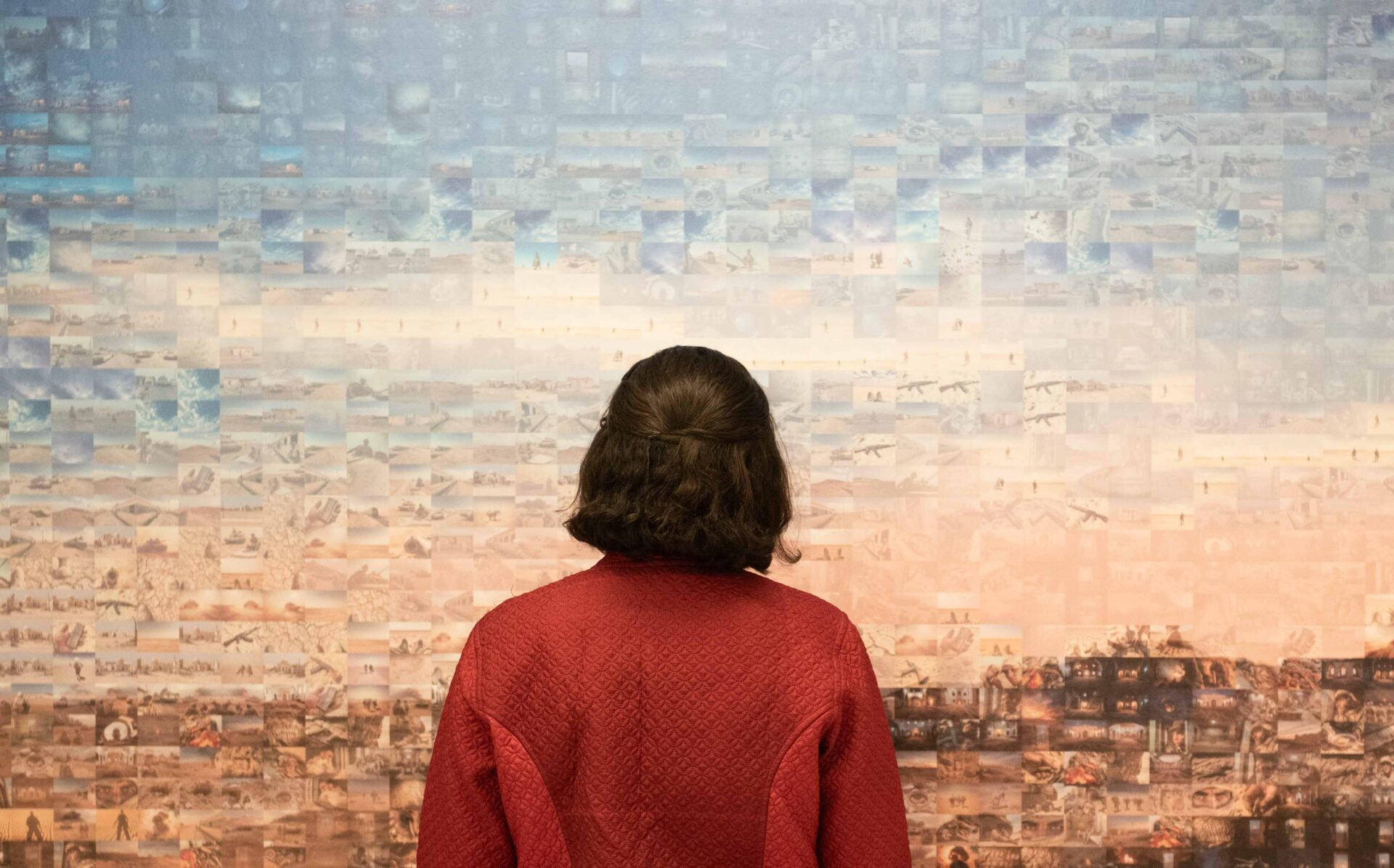
Image by Amalgam Studio, supported by Abbara 08 program.